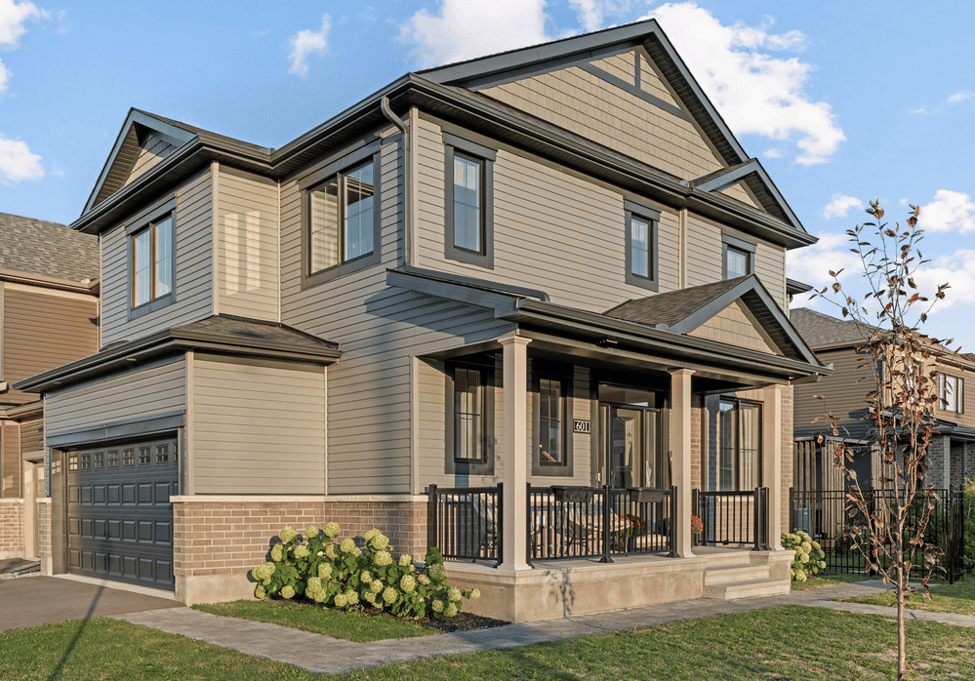
Complete Guide to Buying a House: From Start to Finish
1. Start Saving & Budgeting for Home ownership
The very first step in buying a house is getting your finances in order. This means building up your savings, understanding what you can afford, and planning ahead for all the costs involved in home ownership. Start by saving for your down payment, which typically ranges from 5 to 20 percent of the purchase price, depending on the type of loan and your creditworthiness. In addition to the down payment, you’ll need to budget for closing costs, which usually amount to 2 to 5 percent of the loan amount.
Don’t forget about other expenses, like moving costs, which may include truck rentals, deposits for utilities, and setting up new services. It’s also important to maintain an emergency fund with three to six months’ worth of living expenses saved, just in case unexpected costs arise after you move in.
2. Get Pre-Approved for a Mortgage
Once your finances are in good shape, the next step is getting per-approved for a mortgage. This process helps you understand how much you can borrow and shows sellers that you are a serious and qualified buyer. Begin by shopping around for lenders, including banks, credit unions, and mortgage brokers, to find the best interest rates, loan terms, and fees.
3. Find a Real Estate Agent
With a clear understanding of your budget, the next step is finding a real estate agent to guide you through the home buying process. Choose an experienced local agent who understands the neighbourhoods you're interested in and who will advocate for your best interests.Your agent is so important because they have the resources necessary to find you a home that meets your needs quickly, negotiate prices, and guide you through the most complicated parts of the process up to closing the deal.
You want to make sure you’re hiring a good real estate agent with a stellar reputation. Contact Nav Dhall today.
4. Begin the Search for a Home
Once you’ve selected your agent, you can officially begin your home search. You and your agent will work together to identify listings that match your budget and lifestyle.During this stage, it’s important to clarify your must-haves versus nice-to-haves — for example, the number of bedrooms, location, square footage, school districts, or commute times.
Attend open houses and schedule private showings to get a feel for different properties.
5. Make an Offer
When you’ve found a home that meets your needs and feels right, your agent will help you write and submit a formal offer. Your offer will be based on the listing price, recent comparable sales in the area, and current market conditions. It will also include contingencies — these are conditions that must be met for the sale to proceed, such as obtaining financing, a satisfactory home inspection, and a successful appraisal.
It’s possible the seller will come back with a counteroffer, especially in competitive markets. Be prepared for some negotiation and, in hot markets, even bidding wars. Including your mortgage per-approval letter and a personal note to the seller may strengthen your offer and set you apart from others.
6. Get a Home Inspection
After your offer is accepted, one of the most important next steps is the home inspection. This is your opportunity to assess the condition of the property and identify any major issues. Hire a certified home inspector to thoroughly evaluate the structure, systems, and safety of the home. If possible, attend the inspection in person so you can ask questions and see any problems firsthand.
Once the inspection is complete, review the report carefully. If significant issues are uncovered, you can request repairs, ask for a credit toward the purchase price, renegotiate the terms, or even walk away from the deal — as long as you included the appropriate inspection contingency in your offer.
7. Closing on Your New Home
The final step in the home buying process is closing. This typically happens fews days after your offer is accepted. During this time, your lender will finalize your mortgage and prepare the necessary documents for closing. You’ll also conduct a final walk-through of the property shortly before closing to make sure it's in the agreed-upon condition.
At the closing appointment, you’ll review and sign a stack of legal documents with your lawyer, pay your closing costs, and settle any remaining amounts due. Once everything is signed and the funds are transferred, you’ll receive the keys to your new home.
Congratulations!
Once you close, the home is officially yours. Now it's time to:
Change the locks.
Set up utilities.
Update your address.
Start enjoying your new home!